
Specification
Contractual temperature, fresh or frozen status and packaging.

From production origin to destination market, we coordinate fresh and frozen seafood flows with specialist partners.
Solutions tailored to every product, volume and destination.
For time-sensitive fresh products: salmon, tuna and swordfish. Air solutions depend on flight schedules, capacity and destination requirements.
For commercial volumes of frozen products, we coordinate refrigerated containers according to available shipping lines and equipment.
For European flows, we coordinate refrigerated road transport through specialist providers, using groupage or full loads according to volume.
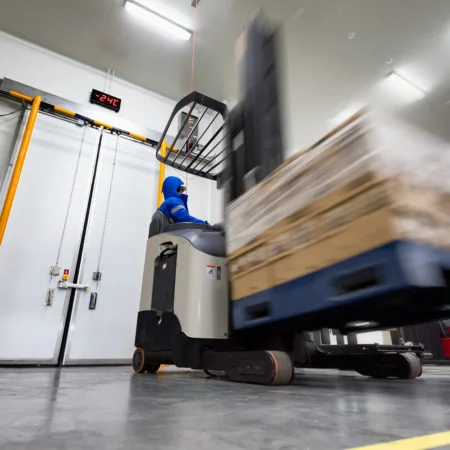
Contractual temperature, fresh or frozen status and packaging.
Pre-cooling, palletisation and pre-departure checks.
Coordination of control points and transit events.
Document review, arrival and exception handling.
Commercial invoice, packing list, certificate of origin, health certificate where required, customs documents, AWB or B/L.
Incoterms® 2020: EXW, FCA, CPT, CIP, FOB, CFR, CIF, DAP, DPU, DDP. Selection depends on transport mode and contractual responsibilities.
Each step tailored to product and destination.
Request available information using your reference. Live tracking requires access to the carrier service.
Specify origin, destination, species, presentation, volume, temperature and desired Incoterm.
Request a quote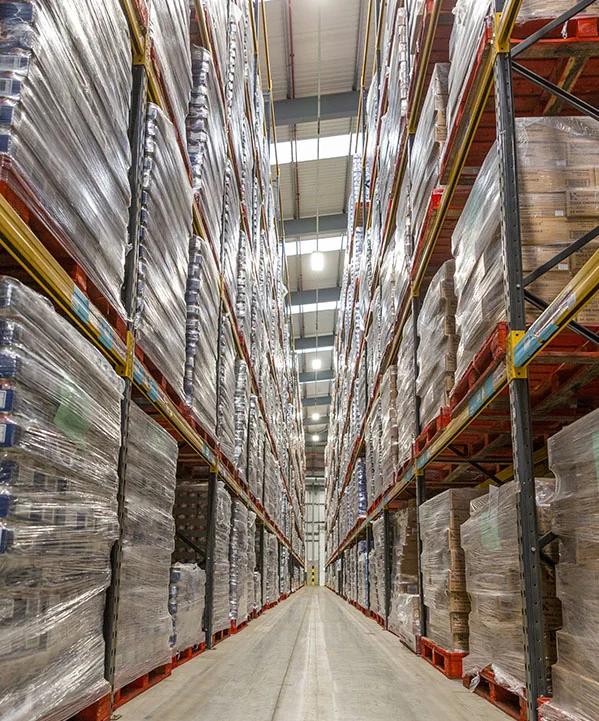
Fresh and frozen seafood requires coordination between preparation, storage, collection and receipt. Each flow is assessed against specifications and destination.
Seafood transport is planned around the product, shelf life, origin and receiving requirements.
Check harvesting or packing times, airport cut-offs, rotations, chargeable weight, insulated packaging and consignee handover. Anticipate connections and AWB documentation.
Check reefer capacity, carton dimensions and weights, stowage, temperature set point, seals, terminal cut-offs, bill of lading and arrival formalities.
Compare groupage with full loads; agree collection and delivery windows, palletisation, packaging protection and temperature records with the carrier.
Air and road serve different destinations, transit times, departures, remaining shelf life and reception capacity. Packaging and temperature must suit the product and chosen route.
Confirm quantities, carton dimensions, loading plan, temperature set-point and availability with the parties. Equipment condition, airflow and product condition at stuffing are key checks.
Instructions, bills of lading, certificates and reception information should follow actual progress. Carriers, forwarders, exporters and importers retain their contractual responsibilities.
The proposed transit time should cover the whole journey, from availability to arrival at the agreed location. A transport plan considers transfers, handling and waiting periods.