
Qualify origin
Species, production method, area and identified supplier.

The future of seafood depends on healthy oceans, the people working throughout the industry and the quality of decisions across the supply chain.

Pelagium Global Trade is an independent trading, sourcing and advisory business. We do not operate our partners’ vessels or farms. Our role is to bring product knowledge, commercial transparency and customer requirements into each sourcing enquiry.
We seek to connect market needs with realistic production capabilities, considering quality, traceability and preservation alongside price. An offer is meaningful only when its origin, preparation and delivery conditions can be evaluated.
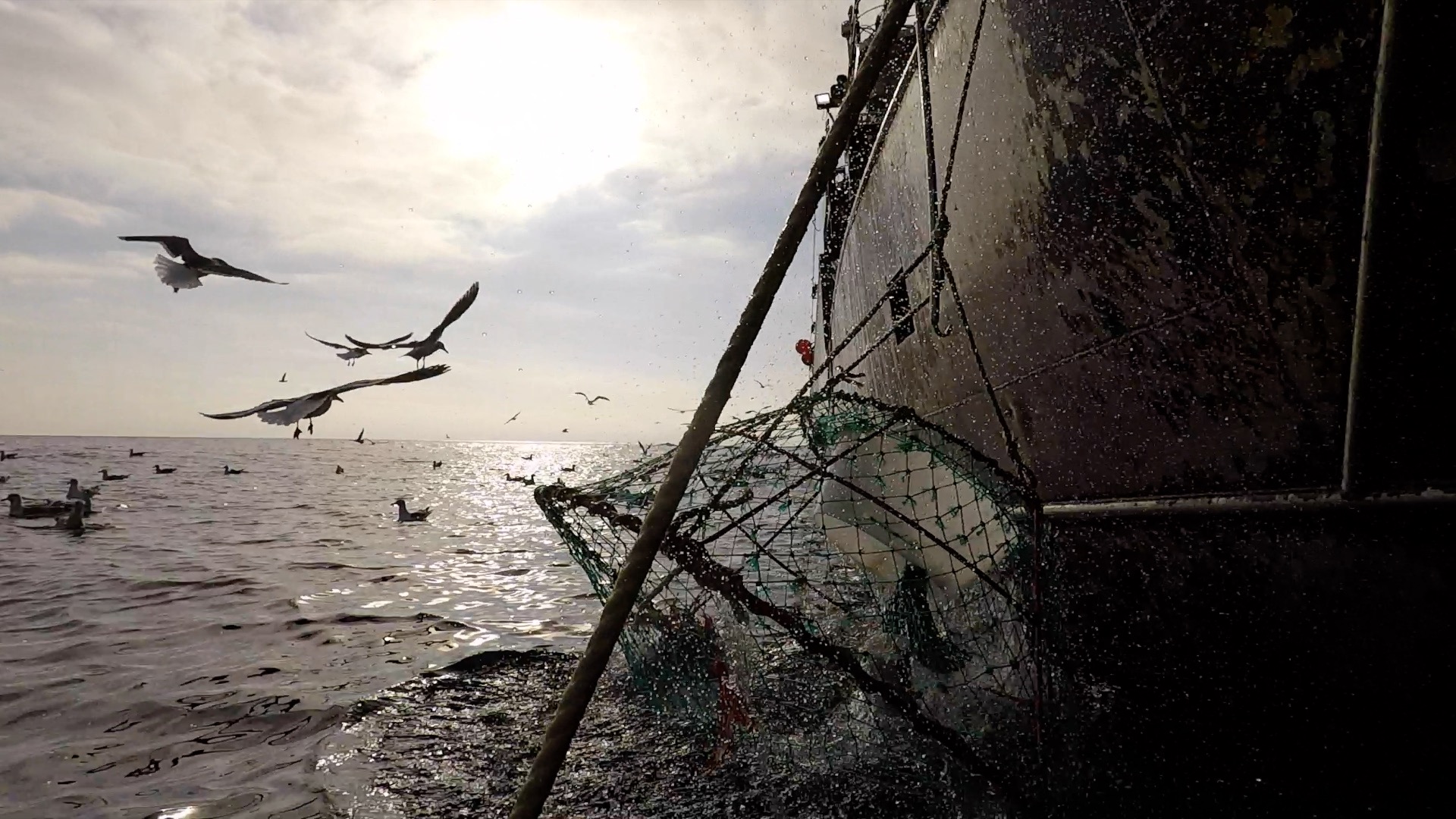
Wild resources vary. Fishing seasons, stock status, capture methods, seasonal restrictions and weather influence available volumes. We consider these factors when reviewing offers and avoid presenting unconfirmed supply as assured.
We seek to assess the relevant origins and fishing methods before commitment. Where information is available, we consider selectivity, incidental catches, resource management and supplier practices.

Seabirds, marine mammals, fish species and habitats are interdependent. Biodiversity considerations belong in sourcing decisions, recognising limitations in available information and the characteristics of individual fisheries.
Environmental claims should be supported by information specific to the fishery concerned. Supplier commitments must be assessed against their scope and the evidence actually available.
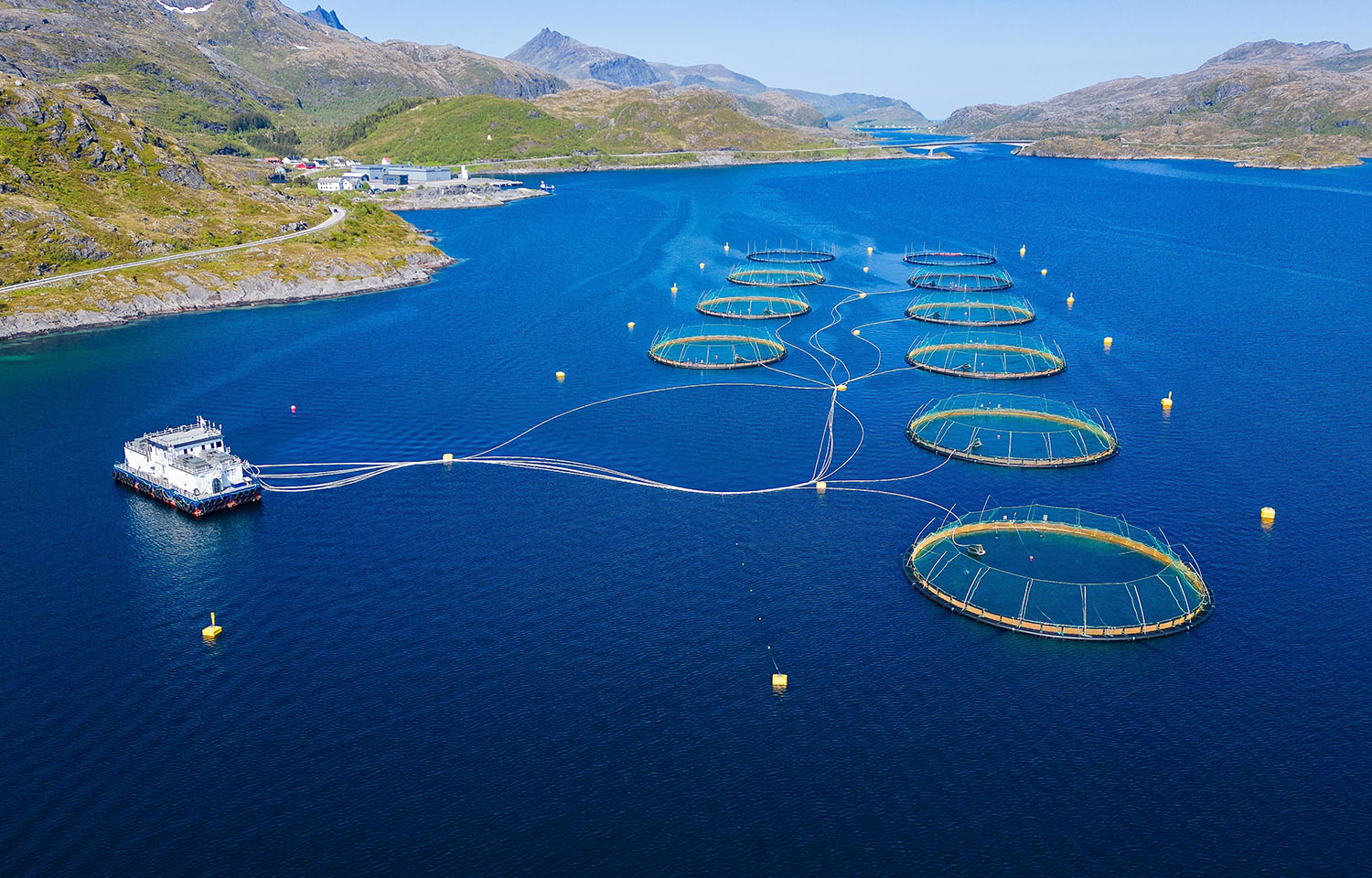
Farmed salmon and shrimp involve different production systems. Information on animal origin, feed, health monitoring, welfare practices and environmental management is relevant to discussions with producers.
When a customer requests a certification or specific standard, we seek evidence appropriate to the product, site and lot. No label should be promoted without confirmation of its scope and validity.

From small-scale fisheries to industrial production, value relies on many professions: fishers, producers, traders, processors, inspectors, logistics professionals and buyers. Knowledge transfer, respect for people and effective dialogue underpin lasting business relationships.
Our roots in Brittany and our West African contact point in Dakar support an understanding of local realities. We seek clear exchanges on responsibilities, specifications, commercial terms and timelines, while considering partner safety and social practices.
Responsibility is reflected in the purchase file: identification, packaging, net weight, temperature, documents, destination and follow-up. Control criteria should be established before order confirmation to reduce uncertainty and losses.
For fresh seafood, transit time and cold-chain continuity matter. For frozen products, preparation, glazing, package integrity and refrigerated transport coordination require consideration. Suitable formats and co-product utilisation can improve product use.
Species, production method, area and identified supplier.
Available records, traceability and destination requirements.
Size, form, net weight, packaging and quality criteria.
Temperature, timing, loading and agreed responsibilities.
Communicate, document nonconformities and agree actions.
Share relevant feedback and refine subsequent enquiries.
This approach is not a claim of quantified environmental results. It describes criteria we seek to integrate into decisions and partner discussions within our role as an intermediary. Claims should be verifiable, and certification confirmed by its holder.
Tell us your specification, traceability expectations and destination market.